You clean the furniture, vacuum the floors, and wipe down the shelves. A day or two later, a fresh layer of dust appears as if nobody cleaned at all.
If this sounds familiar, the problem may not be your cleaning routine. Dust can keep returning because of what is happening inside your home, how air moves through it, and what your cleaning methods leave behind.
The good news is that you do not need to spend every weekend cleaning. Once you identify where the dust is coming from, you can reduce how much enters your home and prevent it from settling on every surface.
Here are seven common reasons your house gets dusty so quickly, along with practical ways to address each one.
1. Your HVAC System May Be Circulating Dust
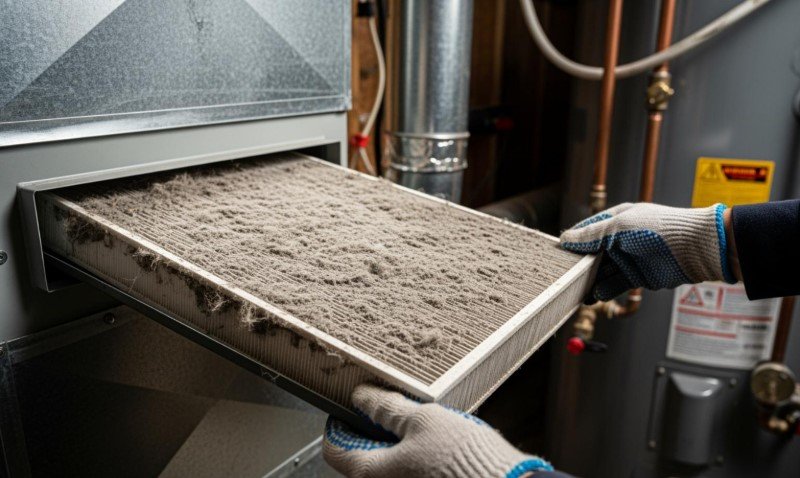
Your heating and cooling system moves air through the house. If its filter is clogged, poorly fitted, or unsuitable for your system, it may not capture airborne particles effectively.
Dust can also collect around return-air grilles, inside accessible ductwork, and near air vents. When the system operates, airflow may move some of those particles into occupied rooms.
What to do:
- Check your HVAC filter and replace it according to the manufacturer’s instructions.
- Make sure the filter fits properly, without gaps around its edges.
- Choose a filter with a suitable efficiency rating for your specific HVAC equipment.
- Vacuum dust from return-air grilles and supply registers.
- If you notice damaged ducts, persistent dust near vents, or signs of contamination, ask a qualified HVAC professional to inspect the system.
A higher-rated filter is not automatically better for every furnace or air conditioner. Some filters restrict airflow too much for certain equipment, so check the manufacturer’s requirements before upgrading.
2. Air Leaks May Be Bringing Dust Inside
Your windows and doors are not the only places where outside air can enter. Small gaps around window frames, exterior doors, plumbing penetrations, and other openings may allow outdoor particles to move into your home.
This is especially noticeable in homes near busy roads, construction areas, or unpaved driveways.
What to do:
Inspect the edges of windows and exterior doors. Look for worn weatherstripping, visible gaps, or damaged caulking. Seal suitable openings with materials designed for the location.
Do not seal intentional ventilation openings, combustion-air supplies, or other safety-related openings. If you suspect a larger building-envelope problem, have it assessed before attempting extensive sealing.
3. Carpets and Upholstery Can Hold Dust
Carpets, rugs, curtains, sofas, and fabric-covered chairs collect particles brought in from outside and released during everyday activities.
Walking across a carpet can disturb settled dust. Sitting on a sofa or moving a cushion can also release particles into the air.
That does not mean you need to remove every carpet in your home. The goal is to clean fabrics regularly and reduce the amount of dust they retain.
What to do:
- Vacuum carpets and rugs regularly using a vacuum with effective filtration.
- Pay extra attention to areas near entrances and frequently used seating.
- Wash removable cushion covers and curtains according to their care labels.
- Consider washable rugs in high-traffic areas.
- Avoid shaking dusty rugs indoors, where particles can spread to other rooms.
If someone in your household has dust-related allergies, discuss appropriate cleaning and filtration measures with a healthcare professional.
4. Your Cleaning Routine May Be Moving Dust Around
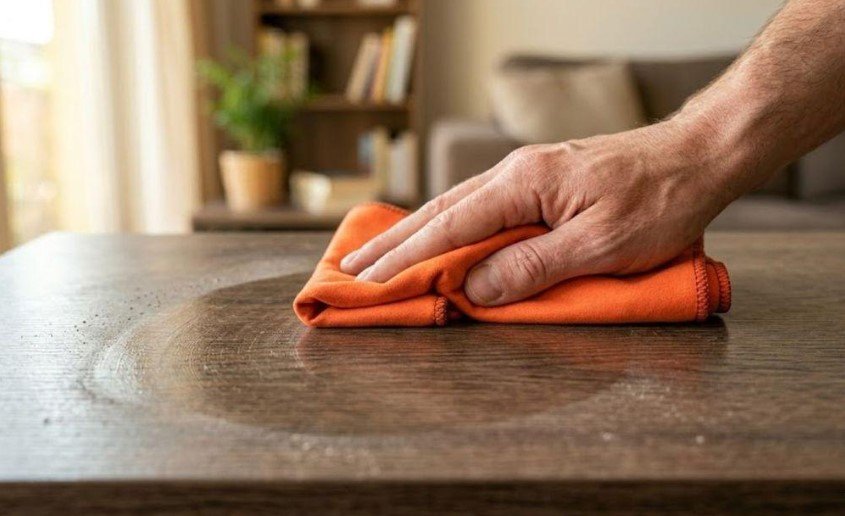
A dry cloth can remove visible dust from a surface, but it may also push some particles into the air. A feather duster or broom can have the same problem.
Those particles eventually settle again, sometimes on furniture you have already cleaned.
What to do:
Use a slightly damp microfiber cloth on suitable hard surfaces. Work from higher surfaces down toward the floor so you do not have to clean the same area twice.
Vacuum floors after dusting shelves, tables, and other furniture. For hard floors, use a vacuum or damp mop that is appropriate for the flooring material.
Avoid soaking wood furniture or using cleaning products that could damage its finish.
5. Your Home May Be Generating Dust Indoors
Not all household dust comes from outside. Everyday activities can release particles from clothing fibers, bedding, paper, cardboard, pet dander, and other materials.
Renovation work, sanding, drilling, and cutting building materials can generate substantially more dust than ordinary household activity.
What to do:
- Keep unfinished renovation materials contained and clean work areas carefully.
- Use appropriate dust-control equipment during DIY projects.
- Store cardboard boxes and loose materials in an organized, clean area.
- Wash bedding and frequently used fabric items regularly.
- Groom pets in a suitable area and clean the surrounding surfaces afterward.
If renovation dust may contain lead, asbestos, or another hazardous material, do not disturb it casually. Follow applicable safety guidance and use qualified professionals where necessary.
6. Your Vacuum Cleaner May Not Be Capturing Fine Particles
A vacuum can pick up visible debris while allowing some finer particles to escape through inadequate filtration, damaged seals, or an improperly maintained system.
This is why two vacuum cleaners can appear to perform similarly while leaving different amounts of airborne dust behind.
What to do:
Check your vacuum’s filter, dust container, bag, and seals. Empty or replace components according to the manufacturer’s directions.
If you are shopping for a vacuum, look for clearly stated filtration performance and a sealed system rather than relying only on marketing claims.
A vacuum with effective filtration can help reduce dust, but it cannot compensate for a major dust source elsewhere in the home.
7. Your Entryway May Be Bringing in More Dust Than You Realize
Shoes, outdoor clothing, bags, and pets can carry dirt and fine particles inside. Once those particles reach the hallway, normal foot traffic can spread them throughout the house.
The entrance is a useful place to start because it gives you a simple way to limit what comes indoors.
What to do:
Place a durable doormat outside and another inside the main entrance. Clean both regularly.
Consider removing shoes indoors, particularly when the weather is dry or dusty. Keep frequently used footwear in a designated area rather than allowing it to travel through the house.
If you have pets, wipe their paws when appropriate and clean the area near their usual entrance.
How to Find the Main Source of Dust in Your Home
Instead of changing everything at once, use a simple one-week observation plan.
Day 1: Clean a Small Test Area
Choose one shelf, table, or windowsill. Clean it thoroughly and note the date.
Day 2: Check Nearby Airflow
Look at nearby vents, windows, and doors. Check whether dust is concentrated around one of these areas.
Day 3: Inspect the HVAC Filter
Check whether the filter is dirty, damaged, or incorrectly fitted. Follow the system’s maintenance instructions.
Day 4: Observe Traffic and Activities
Notice whether dust increases after vacuuming, opening windows, walking through a carpeted room, or completing a DIY task.
Day 5: Compare Rooms
Check whether one room collects dust faster than others. A room near an exterior entrance, a busy road, or a renovation area may have a different source from a bedroom.
Day 6: Change One Thing
Try a specific improvement, such as better entryway mats or damp dusting.
Day 7: Review the Results
Compare the test area with other surfaces. If the improvement is noticeable, continue the change. If not, investigate another likely source.
This is not a scientific measurement of indoor air quality, but it can help you avoid spending money on solutions that do not address your home’s actual problem.
Does an Air Purifier Help With Household Dust?
An appropriately sized air purifier with an effective particle filter can capture some airborne dust. It may help reduce particles that remain suspended in the air.
However, an air purifier does not remove dust that has already settled on floors, furniture, or fabrics. It also does not repair leaking ducts, seal gaps, or eliminate dust-producing activities.
Before buying one, check the room size, clean-air delivery performance, filter replacement requirements, and noise level. Use the unit according to its instructions.
For a dusty home, source control, suitable HVAC filtration, and regular cleaning generally work better together than relying on one device alone.
When Household Dust Could Signal a Bigger Problem
Ordinary dust is common, but certain situations deserve closer attention.
If you repeatedly find fine construction debris after renovation, investigate whether the work area is properly contained.
If dust appears alongside water stains, persistent dampness, or a musty odor, check for moisture problems rather than assuming the issue is simply cleaning.
If you see damaged insulation, suspect hazardous building materials, or experience unexplained respiratory symptoms, avoid disturbing the material and seek appropriate professional advice.
A dust problem that continues despite sensible cleaning and maintenance may warrant an indoor environmental or HVAC assessment.
Final Thoughts
A dusty home is not always a sign that you are cleaning incorrectly. The source may be your ventilation system, gaps in the building envelope, carpets, household activities, or particles entering through the front door.
Start with the simplest checks: inspect the HVAC filter, improve entryway cleaning, use suitable dust-removal methods, and pay attention to where dust accumulates fastest.
Once you understand what is producing or bringing in the dust, you can spend less time wiping surfaces and more time keeping your home comfortable.
The most useful first step is not buying another cleaning product. It is finding out where the dust is coming from.