Olivar James
Starting a business in the United States is exciting, but without a clear plan, even the best ideas can fail. A small business plan USA provides a roadmap for success, helps secure funding, and guides daily operations. Whether you’re launching a local service in Texas, opening a store in California, or starting an online business from home, this step-by-step guide will help you write a professional, actionable plan for 2026.
Why Every U.S. Entrepreneur Needs a Business Plan
A solid business plan makes navigating the U.S. market more manageable – pace here never slows, rules are tight, competition runs deep. Success often depends on clarity when things shift quickly.
- Clarify your vision
- Define your target audience
- Understand competitors
- Estimate startup costs
- Plan revenue and profits
- Secure funding
Should you need loans, most banks, along with backers and public lenders, will want a clear roadmap first. Yet whether or not outside cash is involved, laying out your steps carefully helps dodge setbacks while boosting the odds that things go well.
Picture this: like a compass guiding each move you make, it steers the team without drifting off course.
How to Write a Small Business Plan in the USA
One way that works? Look at how top founders organize their days. Founders everywhere stick to this setup because it moves things forward. It’s not magic – just consistent habits shaped over time. People building real results follow patterns like these. The routine might seem simple, yet it carries weight through repetition. Success often hides in what gets repeated, not reinvented.
1. Executive Summary
Start here only after finishing everything else – the opening snapshot makes sense once the full picture exists. This part sums up what your company does, seen from above.
Include:
- Business name and location
- What you do
- Target market
- Business goals
- Funding required – when relevant
Example:
“BrightWash Solutions LLC is a residential pressure washing company based in Houston, Texas. We provide eco-friendly exterior cleaning services for homeowners. Our goal is to generate $180,000 in revenue during our first year.”
One page is enough. Stay sharp. Short works better. A single sheet holds what matters. Length kills clarity. Focus wins every time.
2. Company Description
This part shows who you happen to be, along with what your work truly means. What matters here comes through quietly – beliefs behind the effort, not just tasks done.
Cover:
- Legal structure (LLC, Corporation, Sole Proprietorship)
- Industry overview
- Business model
- Mission and vision
Starting differently – taxes, rules you must follow, and who can be held responsible depend on what kind of business setup you pick in America. A good number of smaller companies go with an LLC because it shields them if things go wrong, and also offers room to adapt.
Example:
“We operate as an LLC registered in the state of Florida, providing mobile car detailing services to busy professionals and families.”
3. Market Research and Industry Analysis
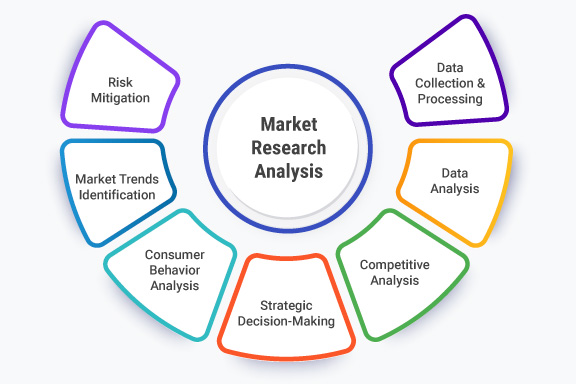
A solid small business plan USA proposal that grabs attention in the U.S. leans on clear evidence. Numbers matter when convincing backers it’s worth their time.
Identify:
- Your target customer (age, income, location, lifestyle)
- Market demand
- Industry trends
- Growth potential
For example, if you are opening a landscaping business in Arizona, research:
- Number of homeowners
- Climate needs
- Existing competitors
Analyze Competitors
List direct and indirect competitors. Explain:
- Their strengths
- Their weaknesses
- How will you differentiate
What sets you apart might simply come down to price – sometimes it’s how fast things get done. A hidden strength often hides in niche offerings, though standout support tends to stick in memory. Speed matters just as much as cost, yet tailored help can shift decisions. Exceptional care during interactions leaves impressions money can’t buy.
Beyond 2026, what stands out is how tailored experiences shape choices – speed matters, certainly, yet ease online often tips the scale. Response time? Sharpness counts. Still, getting things done without hassle pulls stronger.
4. Products or Services
Solving problems means showing exactly what you provide. A clear picture forms when the solution fits the issue like a key. What you give becomes obvious through real use, not promises. It works because it meets needs without confusion. The value shows up in how well it handles the task.
Avoid vague descriptions.
Instead of:
“We provide consulting services.”
Write:
“We offer small business plan USA financial consulting services for startups in California, including cash flow planning and expense management.”
Include:
- Features
- Benefits
- Pricing
- Product lifecycle
- Future expansion plans
Specific details build a solid foundation for any strategy. A focused approach strengthens each part of the process. Clear points lead to better results across the board.
5. How the business makes money
Explain exactly how your small business plan USA will make money.
common US business models
- Service-based billing
- Subscription services
- Product sales
- E-commerce
- Licensing
- Commission-based models
For example:
“Our mobile detailing packages range from $120 to $350, depending on vehicle size and service level. We expect to service 20–30 vehicles per week during peak season.”
Predicted earnings should show clear numbers on how much money is left after costs. Expectations around income need to reflect actual market conditions instead of guesses.
6. marketing and sales strategy
A strong offering on its own won’t draw people in – without clear directions, they might never locate you.
Outline:
- Branding strategy
- Online presence
- Advertising methods
- Sales process
Popular marketing strategies in the USA include:
- Local SEO
- Google Ads
- Social media advertising
- Email marketing
- Referral programs
- Website design serivces
Operating nearby? Try focusing on location-based phrases like “plumber in Dallas, TX” to draw closer to customers. Local searches often include city names, so matching that pattern helps visibility. Instead of broad terms, using specific place tags makes a difference. People look up fixes fast – being found easily matters just as much as showing expertise. Precision beats general claims when someone needs help now
Explain how you will convert leads into paying customers.
7. Operations Plan
Running day to day, this part shows how your business operates. Each routine unfolds through these outlines. Operations become clear when seen step by step. How things move hour to hour appears here. Daily motion shapes what happens next. Tasks follow patterns laid out within.
Include:
- Business location
- Equipment
- Technology
- Suppliers
- Workflow
Example:
“Our business operates from a leased commercial space in Tampa, Florida. We use cloud-based accounting software and scheduling tools to manage customer appointments.”
Also mention:
- Business hours
- Staffing requirements
- Customer service procedures
Clarity shows professionalism.
8. Management Team Organization
Faces matter more than plans when money changes hands. What counts is who’s standing behind the vision, not only what they’re pitching.
If you’re a solo founder, highlight:
- Relevant experience
- Education
- Certifications
- Industry knowledge
Who handles what becomes obvious when responsibilities are spelled out. Clear lines keep things moving without confusion later on.
Example:
“Founder Sarah Johnson brings 12 years of retail management experience and holds a degree in Business Administration.”
Strong leadership builds confidence.
9. Financial Plan
Lenders in the U.S. look hard at one part above others when reviewing a small company’s plan – money matters take center stage. What shows up on the numbers page often decides if approval follows.
Include:
- Startup costs
- Operating expenses
- Revenue projections
- Break-even analysis
- Cash flow forecast
Common Startup Expenses Across the United States
- Business registration fees
- Licensing and permits
- Insurance
- Equipment
- Marketing
- Website development
Last twelve months? Map them out with care. Think steady, not sky-high dreams.
Example:
“We project monthly expenses of $8,000 and anticipate reaching break-even by month six.”
10. Funding Request: If Seeking Investment
When asking for money, spell out exactly what you need.
State:
- What amount of cash is necessary
- For what purpose does it serves
- Loan payment conditions
- Ownership offered (if equity)
Example:
“We are seeking $75,000 to purchase equipment, fund marketing campaigns, and cover operating expenses for the first six months.”
Transparency builds trust.
How Long Is a Small Business Plan?
Small business blueprints across America usually look something like this:
- 10–20 pages
- 12–15 pages on average
A single page fits the executive summary just right. Several pages might unfold for financial forecasts instead.
Keep formatting clean and professional.
common mistakes to avoid
Many startups fail due to avoidable errors:
- Overestimating revenue
- Ignoring competitors
- Lack of research
- Unrealistic financial projections
- Copy-paste generic plans
A single blueprint won’t fit every shop on every street. What works downtown might fail in a quiet town. Each place shapes its own rules through habits, needs, and distance. So build from what you see right there – real people, real choices. Adjust until it fits like a well-worn shoe.
Using a Template: Worth It?
A frame might help, yet tweaking remains key. Shape each piece so it fits
- Your state regulations
- Your industry
- Your audience
What makes it different? A tailored approach catches attention.
Final Thoughts
A solid blueprint for small ventures across America begins with trust in steady groundwork. What keeps startups moving forward often comes down to clear thinking early on. Success that lasts usually grows from choices made quietly at the start. Entrepreneurs who build carefully tend to move further without flash or noise. The quiet work done today shapes what happens years later.
Starting with clear aims helps you identify potential challenges early and creates a clear direction for growth. In today’s fast-moving market, simply showing up isn’t enough — preparation is what truly sets successful entrepreneurs apart. By following the small business plan USA, you’ll not only stay organized but also position your business ahead of the competition. The right plan today can shape a stronger, more confident tomorrow.
Start slow. Dig deep into the details. Say what you mean without clutter. Show numbers that make sense. Above all else – shape a path that matches why you started.
Faster moves won’t win in 2026 – sharp planning will. Structure matters more than speed. Readiness shapes results, not just new ideas.
A clear, well-written plan puts your company on a steady path through the U.S. marketplace. When thought shows in every section, long-term results take shape without forced effort.