Home improvement projects can make a home more comfortable, attractive, and functional. However, even a small renovation can become expensive when homeowners purchase the wrong materials, overlook installation requirements, or make decisions without understanding their actual needs.
Whether you are updating a kitchen, replacing old flooring, improving a bathroom, or refreshing your living space, proper planning can help you avoid unnecessary expenses.
Many homeowners explore Lowe’s home improvement products and resources when looking for renovation materials, tools, and ideas. While having access to different products makes shopping easier, choosing the right solution requires more than comparing prices.
Here are some practical ways to plan your next home improvement project, make better purchasing decisions, and avoid common renovation mistakes.
1. Start With the Problem, Not the Product
Before purchasing anything, identify exactly what you want to improve.
For example, if your kitchen looks outdated, replacing every cabinet may not be necessary. Sometimes changing cabinet handles, repainting the doors, improving lighting, or installing a new backsplash can make a noticeable difference.
The same approach applies to other areas of your home.
If your flooring looks worn, determine whether the problem is limited to the surface or whether the underlying floor also needs attention. If a bathroom wall shows signs of damage, investigate the cause before covering it with new tiles.
Understanding the actual problem helps you avoid spending money on improvements that do not address your needs.
2. Measure Everything Before Buying Materials
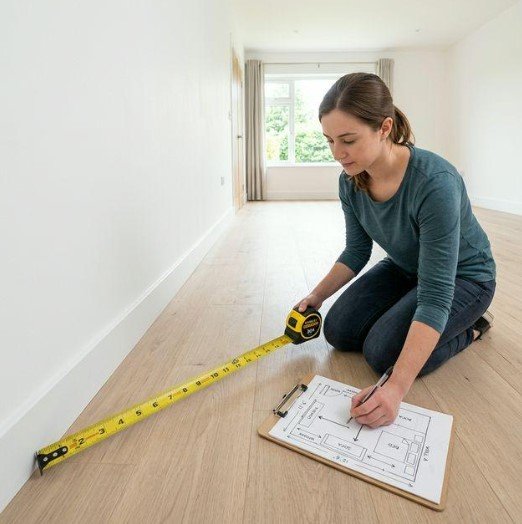
Incorrect measurements are among the most common reasons home improvement projects become more expensive.
Before purchasing flooring, paint, tiles, wallpaper, or other materials, measure the area carefully.
For a rectangular room, multiply its length by its width to calculate the floor area. If a room measures 12 feet long and 10 feet wide, its total area is 120 square feet.
However, do not forget to account for doorways, corners, unusual shapes, and material waste.
For flooring and tiles, the amount of additional material needed depends on the installation pattern and cutting requirements. Check the manufacturer’s recommendations before placing an order.
Accurate measurements help you purchase the right quantity and reduce the possibility of running out of materials halfway through a project.
3. Understand the Difference Between Cheap and Cost-Effective Materials

Choosing the cheapest product is not always the best way to save money.
Some inexpensive materials may require more maintenance, have shorter lifespans, or be unsuitable for the environment where they will be installed.
For example, flooring used in a busy household should be selected according to durability, moisture exposure, and maintenance requirements. A product designed for a low-traffic bedroom may not be the right choice for a frequently used kitchen.
When researching Lowe’s home improvement products, compare specifications rather than relying only on promotional prices.
Pay attention to material quality, installation requirements, warranties, cleaning instructions, and suitability for your intended application.
A slightly more expensive product may offer better long-term value if it lasts longer and requires less maintenance.
4. Never Ignore the Condition of Existing Surfaces
Installing new materials over damaged surfaces can create problems that become expensive to fix later.
Before installing new flooring, inspect the subfloor for uneven areas, loose sections, and moisture damage. Before painting walls, check for peeling paint, cracks, and stains.
Bathroom and kitchen renovations require particular attention because these areas are regularly exposed to moisture.
For example, painting over a damp wall may temporarily improve its appearance, but the underlying moisture problem can continue damaging the surface.
Repair the underlying issue before beginning cosmetic improvements. If you discover serious water damage, structural problems, or electrical issues, consult a qualified professional.
5. Calculate the Complete Renovation Budget

Many homeowners underestimate renovation costs because they focus only on the main product.
A flooring project, for example, may require more than flooring materials. You might also need underlayment, adhesive, transition strips, installation tools, and labor.
Similarly, painting a room may involve primer, brushes, rollers, painter’s tape, surface preparation products, and protective coverings.
Before starting, calculate the cost of all required materials and services.
It is also sensible to keep some money aside for unexpected expenses. Older homes may have hidden problems that only become visible after renovation work begins.
A realistic budget gives you more control over your spending and helps prevent unfinished projects caused by insufficient funds.
6. Check Product Compatibility Before Making a Purchase
Not every home improvement product works with every surface or installation method.
For example, certain adhesives are designed for specific flooring materials. Some paints require particular primers, while certain tiles need specialized installation products.
Buying incompatible materials can result in poor installation, wasted money, and additional repair work.
When exploring Lowe’s home improvement options, read product descriptions and manufacturer instructions carefully.
If you are unsure whether two products can be used together, contact the manufacturer or ask a qualified installation professional before purchasing them.
This is particularly important for waterproofing systems, electrical fixtures, plumbing products, and structural materials.
7. Think About Maintenance Before Choosing a Design
A beautiful renovation should also be practical for everyday living.
Some finishes show fingerprints easily, while certain flooring materials require special cleaning products. Light-colored surfaces may make a room feel more spacious, but they can also show dirt more quickly in busy households.
Consider how much time you are willing to spend maintaining the materials you choose.
For example, homeowners with children or pets may prefer durable flooring that is easy to clean. In bathrooms, materials should be suitable for regular moisture exposure and routine cleaning.
Choosing products according to your daily lifestyle can help your renovation remain attractive and functional for years.
8. Use Reliable Project Resources Before Starting Work
Researching a project before purchasing materials can help you understand the installation process and identify products you may have overlooked.
The Lowe’s website offers home improvement ideas, DIY project guides, buying information, and other resources that homeowners can explore before starting renovations.
These resources can help you understand basic project requirements, compare different solutions, and prepare for common installation tasks.
However, online guides should not replace professional advice when a project involves complex electrical work, plumbing changes, structural modifications, or other specialist requirements.
Use online information to prepare, but always follow the manufacturer’s instructions and applicable building regulations.
9. Avoid Making Too Many Changes at Once
One mistake homeowners often make is trying to renovate several areas simultaneously.
For example, starting a kitchen renovation, replacing bedroom flooring, repainting the entire house, and updating bathroom fixtures at the same time can create unnecessary pressure on both the budget and schedule.
A better approach is to prioritize improvements according to their importance.
Start with repairs that affect safety, functionality, or the condition of your home. Once those issues are addressed, move on to appearance-related upgrades.
Completing one project before starting another also makes it easier to monitor expenses, manage materials, and evaluate the results.
Final Thoughts
A successful home improvement project begins with good decisions, not expensive purchases.
Understanding your home’s requirements, taking accurate measurements, comparing material specifications, and preparing a realistic budget can help you avoid many common renovation problems.
Lowe’s home improvement resources can be useful when researching products and planning projects, but the best results come from selecting materials that genuinely suit your home and installation requirements.
Instead of rushing to buy the latest products, take time to understand what your project needs. A well-planned renovation can save money, reduce waste, and create a more comfortable home without unnecessary expenses.