Introduction
Have you ever opened your wardrobe, looked at a pile of clothes, and still felt like you had nothing to wear? You are not alone. Many people own plenty of clothing but struggle to put together outfits that feel comfortable, stylish, and suitable for their daily lives.
A capsule wardrobe offers a practical solution. Instead of filling your closet with clothes you rarely wear, you build a collection of carefully chosen pieces that work well together. The goal is not to follow a strict fashion rule or own as few clothes as possible. It is to make getting dressed easier while making better use of what you already have.
Whether you prefer casual outfits, office wear, or a more polished everyday look, a capsule wardrobe can help you develop a personal style without constantly buying new clothes.
What Is a Capsule Wardrobe?
A capsule wardrobe is a collection of clothing items that coordinate with one another and suit your lifestyle. It usually includes versatile basics, a few statement pieces, and clothing appropriate for the weather and activities you regularly experience.
For example, a simple wardrobe might contain:
- A few well-fitting T-shirts
- A pair of jeans and comfortable trousers
- A versatile shirt or blouse
- A lightweight jacket
- Comfortable everyday shoes
- A few accessories that complement different outfits
The number of items is entirely up to you. Some people prefer a small collection of around 20 pieces, while others need more clothing because of their work, climate, or personal preferences.
The most useful capsule wardrobe is one that reflects how you actually live.
1. Start by Understanding Your Lifestyle
Before buying anything, think about the clothes you need most often.
Do you work from home? Spend most of your day at an office? Attend university? Travel frequently? Your wardrobe should support those activities.
If you spend most of your week in casual settings, comfortable trousers, simple tops, and everyday shoes may be more useful than formal dresses or expensive jackets.
If you work in a professional environment, you might need a few coordinated office outfits that can also be worn outside work.
Make a short list of your regular activities and identify the clothing you need for each one. This prevents you from buying attractive pieces that rarely fit into your daily routine.
2. Choose a Color Palette That Works Together
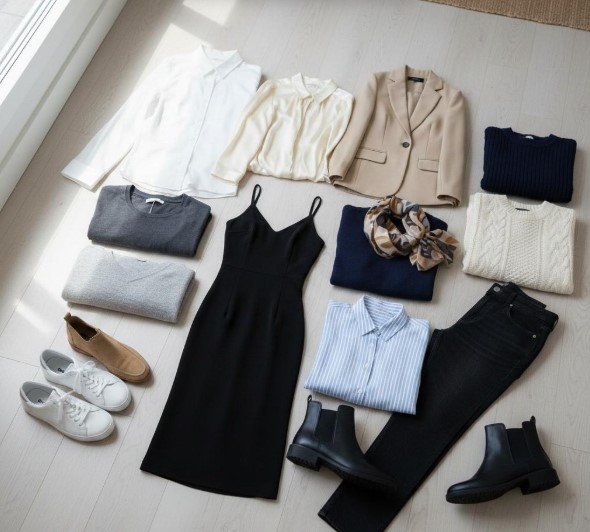
One of the easiest ways to make a wardrobe more versatile is to choose colors that coordinate.
Start with two or three neutral colors you genuinely enjoy wearing. Black, white, navy, beige, grey, and brown are common choices, but you do not need to use all of them.
Then add one or two colors that express your personality.
For example, a wardrobe built around navy, white, and beige could include a green shirt or a burgundy sweater for variety.
A coordinated color palette makes it easier to combine different pieces. However, matching every item perfectly is unnecessary. The purpose is to create more outfit options from the clothes you own.
3. Keep Clothing That Fits Comfortably
Fit can make a bigger difference to an outfit than the price or brand of the clothing.
A simple shirt that fits your shoulders properly and trousers that feel comfortable can look more polished than an expensive outfit that does not fit well.
When reviewing your wardrobe, ask yourself:
- Can I move comfortably in this item?
- Does it fit the way I like to dress?
- Would I choose to wear it today?
- Is it suitable for my usual activities?
You do not need to follow a particular body-shape rule. Choose clothing that makes you feel comfortable and confident.
If a piece needs a minor alteration, consider whether tailoring would make it more wearable before deciding to replace it.
4. Build Around Versatile Essentials
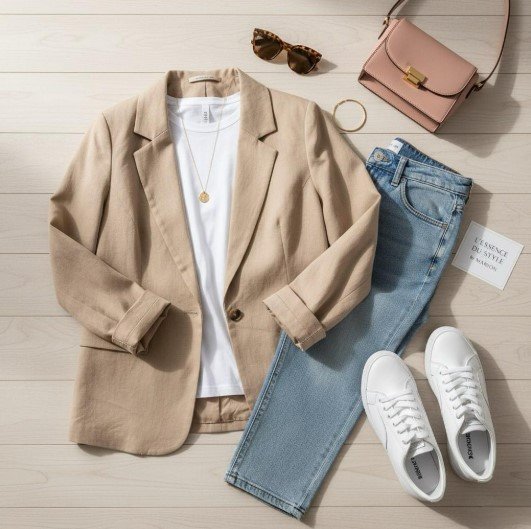
A good capsule wardrobe includes pieces that can be styled in several different ways.
Here are some useful starting points:
Basic tops: Plain T-shirts, shirts, or simple blouses can be worn alone or layered under jackets.
Everyday trousers: Choose comfortable pants that work with several tops and shoes.
Jeans: A well-fitting pair can be styled casually or made more polished with a shirt and suitable footwear.
Layering pieces: Cardigans, lightweight jackets, or overshirts help you adapt outfits to changing temperatures.
Comfortable footwear: Select shoes that suit your daily activities and coordinate with your regular clothing.
These are suggestions, not mandatory purchases. If you rarely wear jeans, for example, there is no reason to include them simply because they appear on a capsule wardrobe checklist.
5. Create Outfits Before Buying More Clothes
A useful capsule wardrobe is not just a list of individual items. It is a collection of pieces that create complete outfits.
Try combining your existing clothing in different ways.
A white shirt might work with jeans for a casual day, with tailored trousers for work, or underneath a sweater when the weather is cooler.
A simple dress might be worn with sneakers during the day and different shoes and accessories for an evening occasion.
Take photos of combinations you like. This creates a personal outfit reference that can save time when you are getting ready.
If an item only works with one specific outfit, consider whether it deserves space in your wardrobe. It may still be worth keeping if you love it, but it is less versatile than a piece that works in several combinations.
6. Consider Your Climate and the Season
Your wardrobe should make sense for the weather where you live.
Someone in a warm climate may need breathable fabrics, lightweight shirts, and comfortable footwear more often than heavy sweaters and thick coats.
People who experience colder seasons may benefit from layering pieces, warm trousers, and suitable outerwear.
You can also maintain a seasonal capsule wardrobe. Keep the clothes you currently need accessible, and store out-of-season pieces neatly until the weather changes.
This approach helps you use your wardrobe without forcing every item to be suitable throughout the year.
7. Shop With a Plan
Once you understand what your wardrobe is missing, make a shopping list.
Instead of buying something because it is discounted or trending, ask whether it fills a genuine gap.
Before purchasing an item, consider:
- Does it coordinate with clothes I already own?
- Will I wear it regularly?
- Is the fabric suitable for my climate?
- Is it comfortable and easy to care for?
- Does it fit my budget?
You do not have to buy everything at once. Building a wardrobe gradually can help you make thoughtful decisions and avoid unnecessary spending.
Second-hand clothing, clothing swaps, and repairing existing garments can also be useful options.
8. Add Personality With Accessories
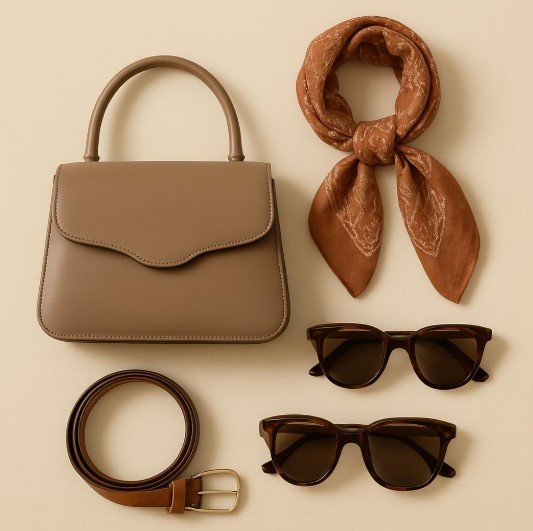
A capsule wardrobe does not have to look plain or repetitive.
Accessories can help you change the appearance of an outfit without purchasing a completely new set of clothes.
A belt, scarf, watch, necklace, or bag can add a different look to familiar pieces. You might also use a patterned shirt, colorful shoes, or a distinctive jacket as a statement item.
The key is to choose accessories you genuinely enjoy and are likely to use.
Personal style is not about owning the same basics as everyone else. It is about making those pieces feel like your own.
9. Maintain Your Wardrobe
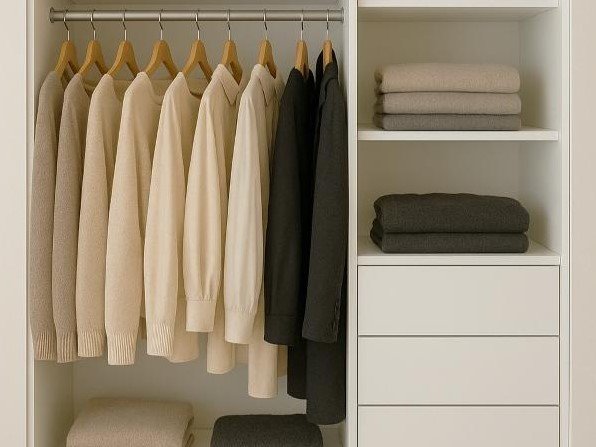
Taking care of your clothing helps it remain wearable for longer.
Follow garment care labels, wash clothes appropriately, and store items in a way that suits their fabric. Repair loose buttons, small seams, or other minor problems when practical.
Every few months, review what you have been wearing.
You may discover that some pieces have become everyday favorites while others remain unused. This information can help you make better decisions the next time you shop.
A capsule wardrobe is flexible. It can change as your lifestyle, preferences, and needs change.
10. Avoid Common Capsule Wardrobe Mistakes
A few common mistakes can make the process less helpful.
Buying everything new: You can start with clothes you already own. A capsule wardrobe is about thoughtful combinations, not replacing your closet.
Following someone else’s exact checklist: A wardrobe designed for a person who works in an office may not suit someone who spends most of their time outdoors or at home.
Choosing uncomfortable clothing: An item is not useful simply because it looks stylish. Comfort and practicality matter.
Treating a small wardrobe as a strict rule: There is no universally correct number of clothing items. Your wardrobe should suit your circumstances.
Ignoring personal taste: Neutral basics can be useful, but you should still wear colors, patterns, and styles that you enjoy.
Frequently Asked Questions
How many clothes should a capsule wardrobe have?
There is no fixed number. Some people prefer a small collection of around 20 to 30 pieces, while others need more. Start with the clothing you regularly use and adjust the size of your wardrobe to suit your lifestyle.
Can I build a capsule wardrobe on a small budget?
Yes. Begin by reviewing the clothing you already own. Create outfits from existing pieces, repair items when practical, and buy only what you genuinely need. You can build a versatile wardrobe gradually without purchasing everything at once.
Does a capsule wardrobe have to be neutral?
No. Neutral colors can make outfit combinations easier, but a capsule wardrobe can include bright colors, prints, and statement pieces. The important thing is that your clothes work together in ways you enjoy.
Is a capsule wardrobe suitable for every season?
It can be. Some people maintain one wardrobe throughout the year with layering options, while others rotate clothing according to the season. Choose whichever approach suits your local weather and storage space.
What is the first step in building a capsule wardrobe?
Start by reviewing your existing clothes and identifying what you wear most often. Then consider your lifestyle, preferred colors, and any genuine gaps before purchasing additional items.
Final Thoughts
Building a capsule wardrobe is less about owning fewer clothes and more about making your clothing work for you.
Start with the pieces you already enjoy wearing. Choose versatile items that suit your lifestyle, create combinations that feel comfortable, and add personality through colors and accessories.
You do not need a perfect wardrobe overnight. Even a few thoughtful changes can make getting dressed easier and help you feel more confident in your everyday style.
The best capsule wardrobe is the one that makes your life simpler while allowing you to express your personal taste.